Dental Implants in Daytona Beach
Losing even one tooth can affect every part of your life, from sharing a smile to speaking clearly and eating your favorite foods. Finding the right tooth replacement option is essential. At Indigo Dental of Daytona Beach, we offer several restoration options, but we most often recommend dental implants because of the benefits they offer for oral health and function. To determine whether dental implants in Daytona Beach, FL are right for you, we’ll schedule a tooth replacement consultation, where our team will examine your smile and recommend the best treatment. When you’re ready to get started, call our office to schedule your consultation.
Request an AppointmentWhat Are Dental Implants?
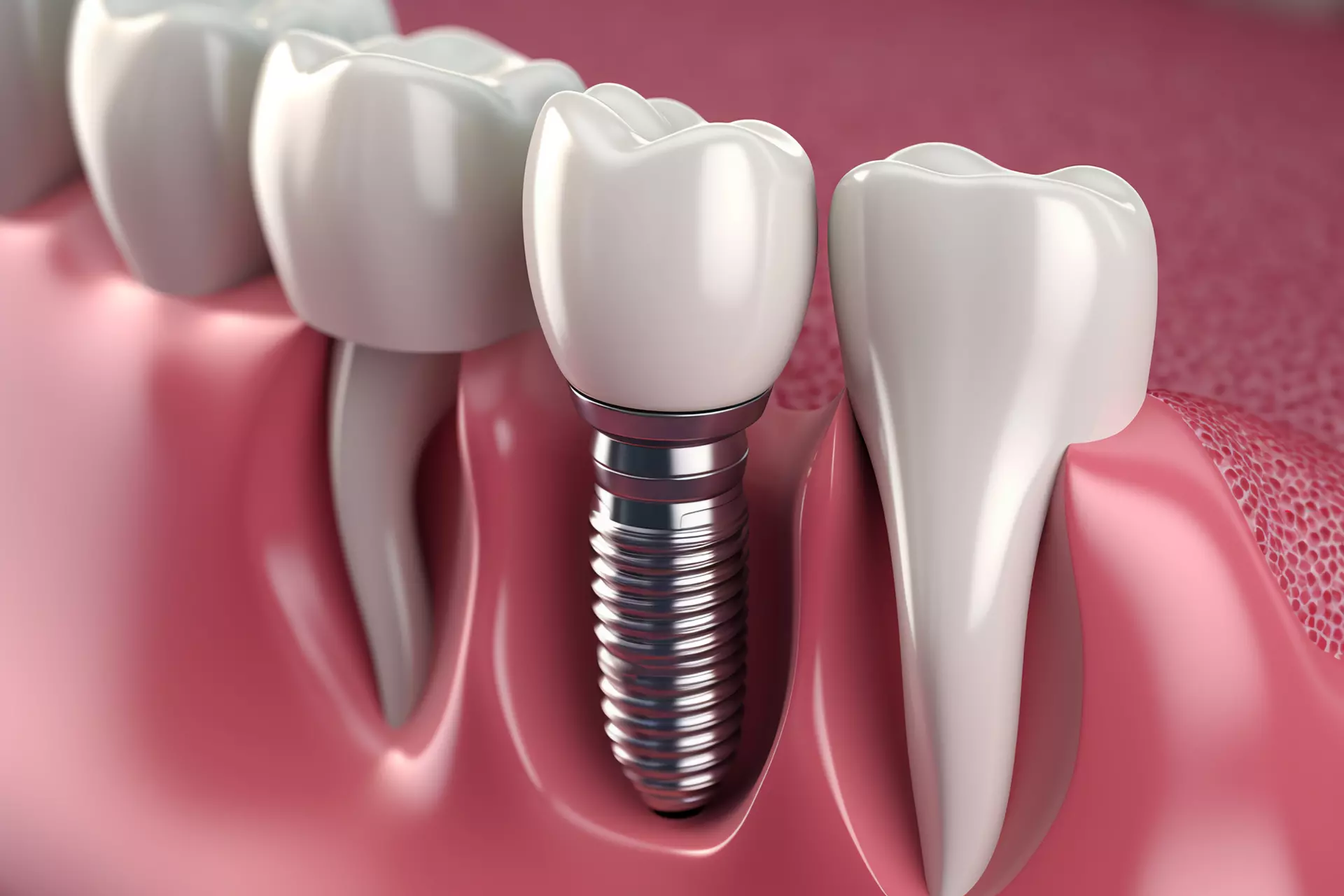
A dental implant is a small titanium cylinder placed beneath the gumline in a minimally invasive surgery. After placement, the implant bonds with the surrounding bone tissue, allowing it to act as a substitute for the root of a missing tooth. Once you’ve had a few months to heal, our team places a custom dental crown on top of the implant to replace the visible portion of the tooth. Implants can also be placed at strategic angles to support a dental bridge or a full or partial denture, replacing several missing teeth at once.
As the only tooth replacement option that restores both the hidden root and the visible crown, dental implants are widely considered the best solution to tooth loss available today.
4-Step Dental Implant Process
Getting dental implants is a commitment that spans several months. We work with local dental implant specialists, so there’s always an expert to guide you through each stage. The four main steps are the initial consultation, implant surgery, osseointegration, and final restoration, though the exact process may look slightly different depending on your needs.
Initial Dental Implant Consultation
When you visit our office to ask about dental implants, we’ll evaluate your oral health and review your medical history. We’ll take X-rays and check for bone loss and gum disease, which need to be treated before moving forward. This is also when we determine how many implant posts your smile needs, and go over the timeline and overall cost so you can start preparing.
Request an AppointmentDental Implant Surgery
By entrusting the implant surgery to a local specialist, we increase our patients’ chances of success and minimize the risk of complications. During the procedure, your mouth is numbed and sedation is administered if needed. Small incisions are made in the gums to access the jawbone, and implants are placed in predetermined areas for the best possible support. The gums are then closed to heal, and protective caps are placed over the implant posts.
Dental Implant Osseointegration & Abutment
Dental implants don’t just sit in your jaw — they fuse with the bone, becoming part of it in a process called osseointegration, which allows implants to function like natural teeth. This can take several months. Once complete, a small piece called an abutment is attached to the implant post through a minor secondary procedure. Since your final restoration attaches to the abutment, we wait until it’s in place before taking the necessary impressions.
Delivery of Dental Restoration(s)
You’ll return to our office to receive your permanent crown, bridge, or denture. Different levels of tooth loss call for different restorations, but whichever kind you get, we’ll double-check that it fits properly and blends naturally with your other teeth before making sure your new bite is comfortable. Afterward, we’ll continue to examine your implants at your regular six-month checkups to help them last.
Benefits of Dental Implants
Dental implants take time to complete — as much as a year in some cases — but they’re well worth the investment. There’s no better method of replacing one, several, or an entire arch of missing teeth, thanks to benefits like these:
Day-to-Day Benefits
- Self-confidence is restored with the ability to eat all your favorite foods, even tough or crunchy foods that dentures struggle with.
- Because implants mimic your previous tooth’s position exactly, you can speak with confidence without worrying about your speech being affected.
- Ceramic materials custom-shaded to your neighboring teeth mean no one but you and our team will know an implant is there.
Health Benefits
- Implants restore the root structure and are self-supporting, protecting remaining teeth and oral structures — unlike crowns or bridges, which require removing existing enamel to place.
- The more foods you’re able to eat comfortably, the easier it becomes to get the nutrients you need, thanks to the improved biting force implants provide.
- Dental implants don’t require special maintenance — just regular brushing, flossing, and checkups.
Long-Term Benefits
- The moment a tooth is lost, the surrounding jawbone begins to break down. Dental implants help maintain jawbone density and gum tissue volume, supporting better long-term oral health.
- Implant restorations fit properly for years. Traditional restorations often need replacing every five to ten years, but implant prosthetics have a 90 to 95% success rate after 20 years.
- Unlike dentures or bridges, implants allow proper blood flow to the gums, helping facial tissue maintain its natural elasticity instead of sagging over time.
Who Dental Implants Can Help
There are multiple options for restoring your dental implants, and our recommendation depends on how many teeth need coverage. Dental implants can replace individual teeth or an entire arch, making them the most versatile tooth replacement option available. Read on to see if you’re a likely candidate and how the process works.
Who Is a Good Candidate for Dental Implants?
More people are eligible for dental implants than ever before, though certain factors do come into play. You should have good oral health, decent overall health, and enough healthy bone tissue to support an implant. The good news is that poor oral health or low bone density can often be addressed if needed to help you become eligible.
Missing One Tooth
An implant dental crown is designed to cover a single implant post, connected by an abutment for long-term stability. After the implant is placed, it’s given time to integrate before the restoration, made from lifelike materials, is attached — so only you and our office will know.
Missing Multiple Teeth
An implant dental bridge covers the gap left by consecutive missing teeth, anchored by a well-placed implant post on either side. For both consecutive and non-consecutive gaps, an implant partial denture can attach to two to four implant posts. Implant treatment doesn’t require removing enamel from neighboring teeth, since the implants themselves support the restoration.
Missing All Teeth
Implant dentures are designed to cover four to six implants and replace a full row of teeth, and can be fixed or removable depending on your preference. This type of denture doesn’t slip or shift, making it a comfortable, practical, long-lasting option, and there’s no reason you can’t replace both arches with implant dentures.
Beyond traditional implant prosthetics, we’re also proud to offer All-on-4 dentures, a revolutionary way to upgrade a removable denture. As the name implies, All-on-4 dentures rely on just four implants as a sturdy foundation for an appliance that feels and functions like the smile you lost, and with enough planning, this procedure can sometimes be completed in a single appointment.
Understanding the Cost of Dental Implants
The cost of dental implants reflects the quality of your new smile. You’ll pay more than you would for dentures or a bridge, but implant-retained restorations last longer, let you enjoy more foods, and let you smile without worrying about slippage. Talk to our team about ways to help keep implant costs manageable — below is a brief outline of what affects price and how you can pay more easily.
Request an AppointmentPreliminary Treatments & Dental Implant Surgery
Getting dental implants is a process, and each stage carries its own cost. If you need gum disease therapy, tooth extractions, bone grafting, or another procedure, you’ll pay for it separately. These procedures can add to the total cost, but they can mean the difference between success and failure for your new smile. We’re partnered with trustworthy dental implant experts who will discuss surgical costs with you directly.
The Parts of Your Dental Implant
- The more implants you need, the higher the final cost — which is why 4 to 6 implants supporting a denture is often more practical than a separate post for each missing tooth.
- Smaller restorations like crowns cost less than larger restorations like bridges and dentures.
- Some implants are made from zirconia instead of titanium, which affects price.
- The brand of implant used matters, since different manufacturers suit different patient needs — ask us for more detail.
How Dental Implants Can Save Money
You only pay for dental implants once, since their long lifespan means they need replacing far less often than traditional restorations. Implant dentures also eliminate the need for cleaning solutions, adhesives, and special pastes. Finally, implants help maintain a healthy jawbone, lowering the risk of other oral health issues down the road.
Does My Dental Insurance Cover Dental Implants?
Most insurance won’t cover the implant posts themselves, but it’s worth checking your coverage. A percentage of related treatments, such as the final restoration or preliminary gum disease therapy, is often covered.
Making Dental Implants Affordable
For out-of-pocket costs, we can help you explore payment solutions, including third-party financing options. We’ll go over your options at the very beginning of treatment so you can stay confident in your budget.
Dental Implant Post-Op
After your dental implant surgery, understanding how to care for your new smile during recovery is essential to keeping your implants and restoration firmly in place. Our team is here with detailed post-op guidance and helpful tips for a full, quick recovery. If you experience any issues during recovery, call our office as soon as possible.
What to Do Directly After Dental Implant Surgery
The most important thing after surgery is avoiding dislodging your blood clot, which is necessary for healing. To protect it:
- Don’t use a straw to sip beverages
- Avoid smoking or tobacco for at least 24 hours (quitting beforehand is even better)
- Don’t poke or prod at your surgical sites with your finger or tongue
- Avoid spitting — keep tissues or napkins on hand instead
Common Side Effects
- Intermittent bleeding – May continue for a few days and can be managed with gauze and gentle pressure.
- Mild discomfort – Over-the-counter pain relievers can help.
- Swelling – May last up to a week; a cold compress can help reduce swelling and pain.
Diet
Soft foods are your go-to source of nutrition after receiving implants. Avoid hard or crunchy items and stick to options like:
- Pasta
- Scrambled eggs
- Yogurt or ice cream
- Pudding
- Warm (not hot) soup
- Mashed potatoes
After about a week, you can begin reintroducing other foods based on how you’re feeling.
Health & Oral Hygiene
Proper oral hygiene is essential after oral surgery. To avoid infection:
- Wait 24 hours before brushing, and be gentle near surgical sites
- Avoid mouthwash containing alcohol or peroxide
- Rinse 2 to 3 times daily with mild salt water or a prescribed rinse, without spitting or rinsing too vigorously
What to Do After Your New Teeth Are Attached
After months of recovery, you’ll receive your customized restoration. Mild soreness is normal once your crown, bridge, or denture is in place, and over-the-counter pain medication can help, but you shouldn’t experience swelling or bleeding at this stage.
Maintaining & Caring for Your Dental Implants
Patients who have implants placed by a skilled professional can expect a 98% success rate, which only falls to 90-95% after 10 years. To be one of the many patients who enjoy their prosthetics for a lifetime, proper maintenance matters.
Making Oral Hygiene a Priority
While implants themselves can’t decay, your remaining natural teeth can, so brushing, flossing, and rinsing regularly still matters. Gum disease can attack the soft tissue, teeth, and bone around an implant and ultimately cause it to fail, so sticking to good hygiene safeguards your investment.
Eating a Healthy Diet
Too many sweets and carbohydrates are a magnet for tooth decay and gum disease. A diet rich in Vitamin C, leafy greens, lean proteins, dairy, fruits, and vegetables helps protect both your natural teeth and your implants.
Breaking Bad Habits
Nail biting, smoking, and chewing ice can all cause significant damage to dental implants over time, leading to additional time and money spent fixing your smile. Breaking these habits helps protect your investment.
Protecting Your Dental Implants
Whether you play sports or tend to grind your teeth at night, a customized mouthguard can help protect your implants from unnecessary wear or damage.
Scheduling Regular Dental Checkups
Regular six-month checkups and cleanings let our team catch problem areas early, protecting both your natural teeth and your implant restorations for the long run.
Dental Implant Failure & Salvage
Dental implants have a 95% success rate upon initial placement, a rate that holds steady even after 10 years with proper care. In rare cases, though, dental implant failure can occur. If you notice discomfort or believe your implants may be at risk, don’t hesitate to reach out — the sooner we examine the issue, the better our chances of success with dental implant salvage treatment.
Dental Implant FAQs
Does getting dental implants hurt?
There’s really nothing to worry about. You might experience some swelling after surgery, but discomfort is typically minimal, and many patients find the process easier than they anticipated.
Can I still get dental implants if I smoke?
Tobacco use increases the risk of complications, but it doesn’t automatically bar you from treatment. Our team will discuss how smoking may affect your treatment during your consultation.
Can dental implants fail?
The vast majority of cases are successful, though on rare occasions an infection in the bone or a medical condition that affects healing can lead to failure. Most failures happen within the first year, though late failure can occur due to poor oral hygiene habits over time.
How do I take care of my dental implants?
You’ll receive specific instructions immediately after surgery, often including soft foods and gentle cleaning near the surgical site. Once healed, you can treat your implants like natural teeth with regular brushing and flossing.
How successful are dental implants?
Implants placed by a skilled dentist have a success rate of over 95% after ten years. Daily care, a healthy diet, and regular checkups all play a role in long-term success.
Do dental implants decay?
No, implants can’t decay since they don’t have enamel. Your remaining natural teeth and gums can still develop problems, though, so good oral hygiene remains important.
Will people be able to tell that I have dental implants?
Most people won’t notice. Implants are custom-made to match your other teeth in color, shape, and size, and they’re secured in your jaw like natural tooth roots.
Do dental implants feel natural?
Yes. Once placed, implants feel similar to the roots of natural teeth, and the porcelain crown surface is smooth and toothlike against your tongue.
How long do dental implants last?
Once osseointegration is complete, implants can last 30 years or more with proper care, including brushing, flossing, and avoiding using your teeth as tools.
Are dental implants safe?
Yes, for most patients, when placed by a qualified professional. We’ll evaluate your oral and overall health first, treating any gum disease or bone density concerns before moving forward.
How long does it take to recover from dental implant surgery?
Many patients resume normal activities the day after surgery, though strenuous activity should be avoided for a while. Full healing, including osseointegration, typically takes three to six months.