Dental Bridges in Daytona Beach
Bridges are a fairly common sight around Daytona Beach — getting around town would be much harder without them. The dental bridges we offer work similarly, and the job they do is just as important. They bridge the gap in your smile so you can smile confidently, speak clearly, and chew a variety of your favorite foods. To learn more, or to schedule an appointment to see if a bridge can replace your missing teeth, contact us today.
Request an AppointmentWhat is a Dental Bridge?
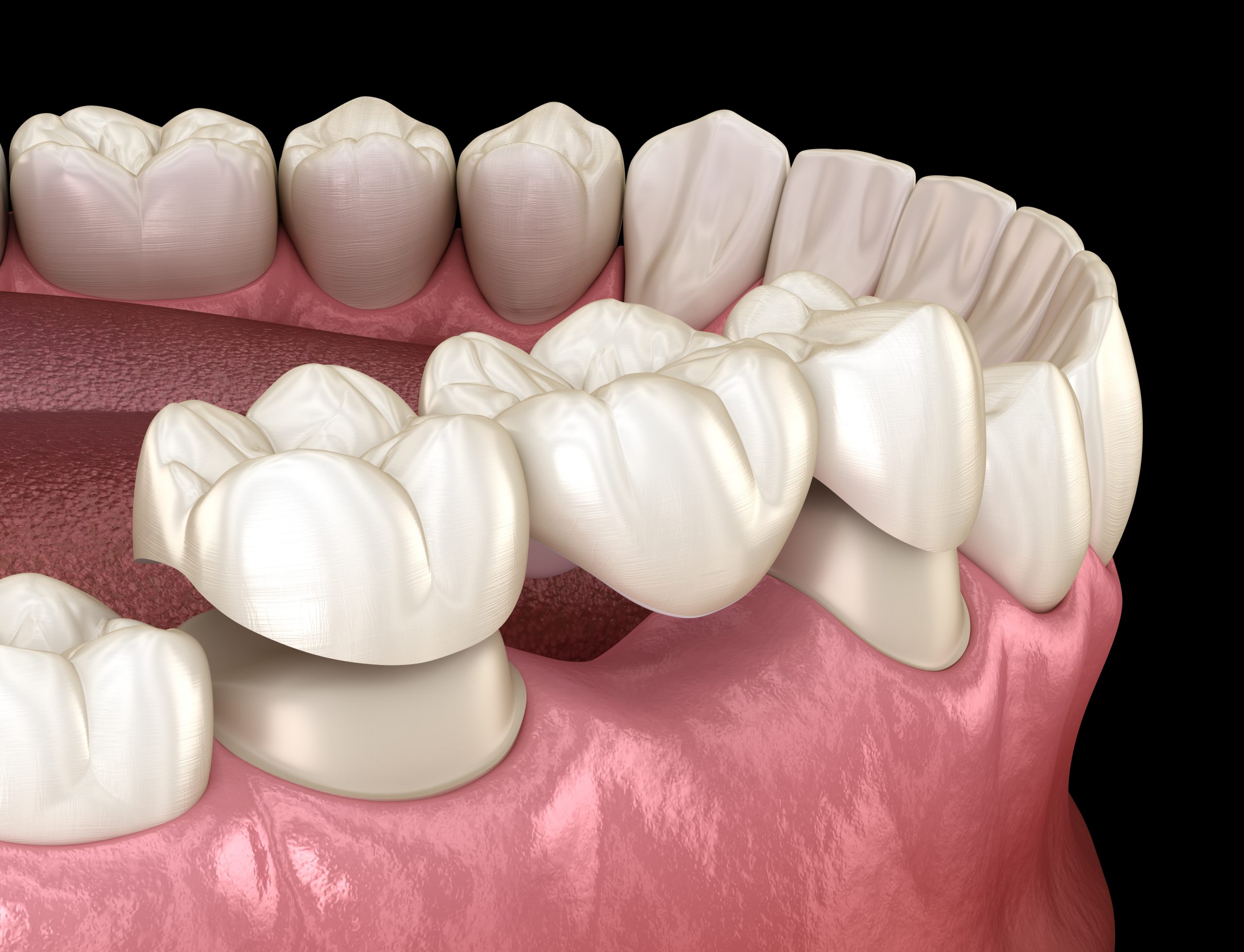
Dental bridges close the gap left by one or more missing teeth. A bridge permanently anchors artificial teeth, called pontics, to the existing teeth on either side of the gap. In some cases, dental implants may also be used to secure a bridge. Thanks to detailed impressions and careful planning, bridges look natural, feel comfortable, and restore full function — you’ll hardly notice a difference between your bridge and your natural teeth.
Types of Dental Bridges
The only way to determine which type of bridge suits your needs is a consultation with our team, where we’ll examine your situation, review your medical history, and determine if a bridge is the right fit. We’re proud to offer two types of bridges here in Daytona Beach, FL:
Traditional Dental Bridges
This is often the go-to option for patients missing one, two, or more teeth in a row. We place a crown on either side of the gap, then “bridge” the space with pontics. This approach requires slightly altering the adjacent teeth, which need to be healthy, but it ensures lasting success and a natural-looking result.
Implant Bridges
Implant bridges work differently than traditional bridges — instead of relying on crowns placed over healthy adjacent teeth, they rely on dental implants placed directly into the jawbone. Thanks to the stability implants provide, this restoration has a longer lifespan, feels more natural, and restores more of your biting power, all without altering your existing teeth. The process does take longer, though, and patients need to meet specific dental health requirements.
The Benefits of Getting a Dental Bridge
A dental bridge doesn’t just restore the gap in your smile — it comes with several life-changing benefits, including:
- Fully customized for your smile, so it looks and feels completely natural
- Versatile enough to replace one, two, or more missing teeth in a row
- Lets you speak clearly and bite and chew normally, making everyday life easier
- Helps prevent dental drift, the misalignment of remaining teeth that can follow tooth loss
- Easy to care for and can last 10+ years under ideal circumstances
Dental Bridges FAQs
How many teeth can a dental bridge replace?
A traditional fixed bridge can replace one or more lost teeth in a row, though most dentists recommend replacing only 1 to 3 teeth this way, since longer restorations can be less stable. If you’re missing several teeth in a row, dental implants or a partial denture may be a better alternative.
Are dental implants cheaper than a bridge?
Dental implants replace both the tooth roots and crowns for results that look and feel natural. You may pay more upfront for implants, but they’re proven to last 30 years or longer with over a 95% success rate, while a traditional bridge often needs replacing after several years, which can add up over time.
Does getting a dental bridge hurt?
Our team keeps your comfort as the top priority, using numbing medication when prepping your teeth so you won’t feel pain during the process. Some temporary tenderness after the numbing wears off is normal and usually resolves within a couple of days.
How long do dental bridges last?
A traditional fixed bridge can last 5 to 15 years, depending on the materials used and its location in the mouth — bridges replacing molars often see more wear than those replacing front teeth. Good oral hygiene, regular dental care, and moderating hard or chewy foods all help your bridge last as long as possible.
Can I use my dental insurance for a bridge?
Most dental insurance covers some of the cost, including your consultation and preparatory procedures, often paying 50% to 80% after your deductible up to your annual limit. Our team will work with your insurance to maximize your coverage and discuss financing options for anything out of pocket.
What’s the difference between a bridge and a partial denture?
A bridge is permanently fixed in place, while a partial denture can be removed. Which option makes sense depends on how many teeth are missing and your personal preference.