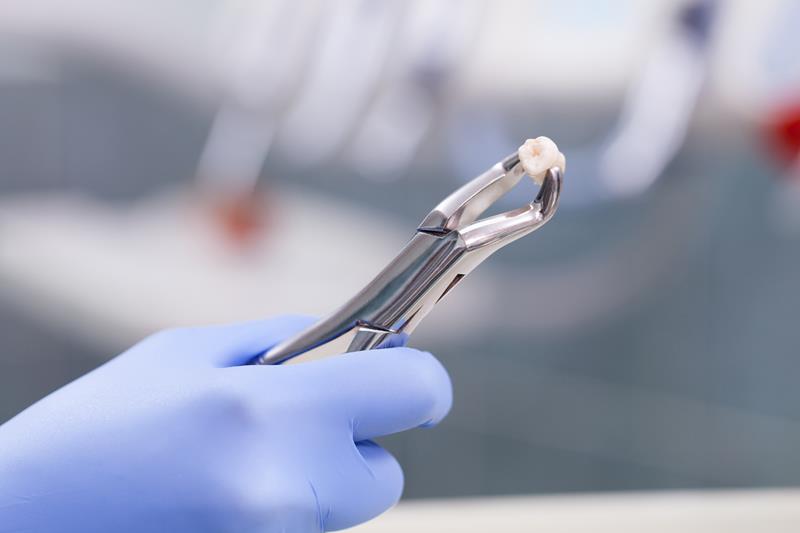
Tooth Extractions in Daytona Beach
Although tooth extraction can become a necessity at times, you can trust the team at Indigo Dental of Daytona Beach to perform this service right. With experience and expertise, your extraction will go smoothly and be as comfortable as possible.
Why Do I Need a Tooth Extracted?
There are many reasons a tooth extraction may be recommended, one of the most common being decay too advanced to treat with a filling or crown. Our goal is always to treat the infection and relieve discomfort as soon as possible.
Other reasons for extraction include:
- Impacted teeth, such as wisdom teeth
- Malfunctioning teeth
- Hard-to-reach teeth
These extractions help prevent future crowding of your remaining teeth, which can lead to bite misalignment — ensuring a smile that looks great and functions well once treatment is complete.
Request an AppointmentHow Are Teeth Extracted?
Most extractions are uneventful and only take a few minutes. The bone, gum, and tooth are numbed with a local anesthetic, and nitrous oxide (laughing gas) is available for patients feeling extra anxious. Once the extraction starts, you’ll only feel pressure, not pain. In most cases, teeth can be extracted using applied pressure and dental forceps, without the need for surgery.
Recovery from Tooth Extraction
After the extraction, you’ll receive detailed care instructions for the following days. Rest and relaxation come first — keep gauze on the area to control bleeding for the first few hours, and use a cold compress at 20-minute intervals to reduce swelling and discomfort. We may also prescribe medication for soreness. If the extraction site is kept clean and you follow our recovery instructions, your gums should heal without issue in a matter of weeks.
Understanding the Cost of Tooth Extractions
At Indigo Dental of Daytona Beach, our goal is cost-effective, quality dentistry. We offer extractions as a last resort to help restore your full oral health. Below is some helpful information on cost, and please reach out with any questions.
Factors That Can Affect Tooth Extraction Cost
- Number: How many teeth need extracting directly affects the total price.
- Location: Larger back teeth (molars) are often more difficult to extract, which can raise the cost.
- Difficulty: Complex cases sometimes require partnering with a specialist, increasing cost.
- Next Steps: Replacing the extracted tooth — with a dental implant, bridge, or denture — also affects your total cost.
Does Dental Insurance Cover Tooth Extractions?
Most dental insurance plans cover around 50% of extractions, including wisdom teeth removal, though limitations vary by plan. We’re happy to communicate with your insurance directly to help you maximize your benefits and lower your out-of-pocket cost.
Other Options for Making Tooth Extractions Affordable
No insurance? No problem. Our in-house dental savings plan offers discounts on a wide range of treatments, and we also provide low-to-no interest financing so you can choose a monthly payment plan that fits your budget.
Tooth Extractions FAQs
Does getting a tooth extracted hurt?
Your mouth is fully numbed before the procedure, so you shouldn’t feel pain during treatment — only mild soreness afterward, which improves with aftercare. Call our office if discomfort worsens or doesn’t improve.
Can I leave the space empty after a tooth extraction?
It’s not recommended. Teeth do more than complete your smile — they support chewing, speech, and digestion. Even one missing tooth can make chewing harder, so replacing it once you’ve healed is usually the best choice.
What are my options for replacing a missing tooth?
Common options include a dental bridge, a partial or full denture, or dental implants, which replace the tooth root as well as the crown and help stimulate the jawbone for a longer-lasting result.
Can I smoke after getting a tooth extracted?
Tobacco products can delay healing, so it’s best to avoid smoking for at least five days, ideally two weeks. If quitting is difficult, let our team know so we can help you prepare.
Is there an alternative to tooth extraction?
Sometimes. An infected tooth can occasionally be saved with a root canal and crown, or periodontal therapy may resolve gum-related issues instead. Extraction is usually a last resort when the tooth can’t otherwise be saved.
What is recovery like after a tooth extraction?
You’ll be numbed or sedated during the procedure, so discomfort typically begins once the medication wears off. Mild aches and inflammation for a few days to a couple of weeks are normal, depending on how many teeth were removed.
What should I do after my tooth extraction?
Avoid strenuous activity, change gauze pads as directed, rinse gently with warm salt water once cleared, manage discomfort with over-the-counter medication, and stick to soft foods like applesauce, mashed potatoes, and yogurt while healing.